
Moving to Southeast Asia After 40? Here’s What the Visas Really Look Like
(and the part nobody puts in the chart)
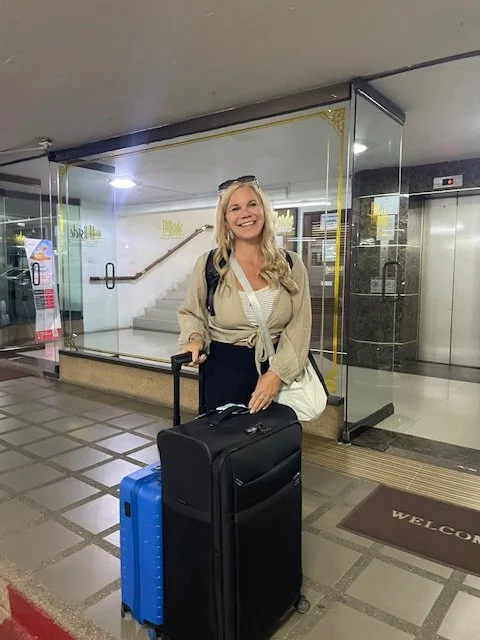
I’ve moved abroad more than 30 times. Japan, Italy, Albania, Poland, Germany, Thailand. I’ve done it with teenagers, with pets, with military support, and for the last five years completely on my own, no safety net.
Helping other solo w omen move all over the world is my passion.
So when a woman tells me she’s “just researching visas,” I get it. I also know that’s usually where the overwhelm starts.
That’s why I built the Southeast Asia Visa Comparison Guide: six countries, side by side, shortest stay to longest, easiest to hardest. No endless tabs. Here’s the quick version.
Start Small: The Easy Doors
Malaysia: 90 days visa-free for Americans, no cost. A very soft place to land.
Philippines: 30 days visa-free, and you can extend inside the country for up to 36 months (about $500 to $700 a year).
Indonesia (Bali): Visa on Arrival for about $32 to $35, 30 days, with one 30-day extension. No work of any kind on this one.
Vietnam: Americans need an e-visa ($25 to $50, up to 90 days). Heads up: there’s no retirement or nomad visa, so long-stayers keep re-applying. Flexible, yes. Secure, no.

Staying Longer: The Real Options
Thailand’s Destination Thailand Visa (DTV): Five years of validity, 180 days per entry, about $280. You’ll need around $15,000 in liquid funds. Remote work is covered and there’s no age minimum. You apply from your home country or country of residence, before you go.
Cambodia: The lowest financial barrier in the region. Renewable indefinitely for roughly $275 to $600 a year, with no minimum income and no lump sum. If you’ve been told you need serious capital to move abroad, Cambodia says otherwise.
The Philippines SRRV: This one changed. The Special Resident Retiree’s Visa now starts at age 40. That means permanent residency, with a bank deposit of about $25,000 to $50,000 for ages 40 to 49. For women our age, that’s a headline.
Bali’s Remote Worker Visa (E33G): About $850 for a year, renewable once, with bank statements showing $2,000 or more. Good if you run a US-based business. (The retirement visas there need you to be 55+, so don’t plan around something you can’t use yet.)
Malaysia’s DE Rantau Nomad Pass: About $340 to $560 for 12 months. Watch the income tier. Tech workers need $24,000 a year, but coaches and consultants usually fall under the non-tech tier at $60,000 a year. Don’t build your plan on the lower number you see floating around online.
Please Read This Part Twice
Visa rules in this part of the world change fast. Thailand, for example, has approved shortening its visa-exempt stay from 60 days to 30, though it isn’t law yet. The numbers above were accurate as of September 16, 2026, but always check the official embassy or immigration website for your destination before you book a flight, sign a lease, or move money. The government links for all six countries are in the guide. I’d rather you spend ten minutes verifying than lose a deposit.
Here’s What the Chart Can’t Tell You
Every one of these is possible. Possible isn’t the same as right.
The women I see struggle abroad almost never fail because of the visa. The hardest part of moving is rebuilding your daily routine, your community, and your identity in a place where nobody knows you yet. It’s about who you become once you arrive.
I don’t tell you where to go. I help you trust yourself as you choose what’s next. That’s what Clarity Before Countries is for.

Clarity Before Countries:
The Founding Course
A 6 week course to help you go from research to reality.
This is a six-week small-group course built around the CLARITY™ Method and the Decision-Making Workbook. We work through it together, step by step, so you stop collecting information and start making a decision you can stand behind.
Starts November 9 (the founding cohort)
6 ladies. 6 weeks. That’s it. You get real attention, not a webinar.
$397 for the founding course
Lifetime access to the resources. The workbook and materials stay available for the life of the resource, so you can come back to them when you’re ready for your next move.
By the end, you’ll have your non-negotiables on paper, your obstacles named, and a plan for your first 90 days.

Ready for your selfie in Krakow, Poland?
Start your next chapter by joining a community of women just like you.
Before You Go: Three Things I’d Set Up Early
(These are affiliate links. I may earn a small commission at no cost to you, and I only recommend what I’d use myself.)
Scout first. The best way to know if a country fits is to visit before you commit. Book flights and experiences with Klook
Get around like a local. Renting your own wheels for a few days tells you a lot about whether a place feels like home. Browse local rentals with Localrent
Land with data. An eSIM means maps, rides and messages work from the airport. Get your eSIM with Yesim
You don’t have to figure this out alone. No more endless research. Just a clear plan and a community that gets it.
Let’s turn your “what ifs” into a well-designed plan.
Michelle Irwin, Founder, Next Chapter Nomads. This post is educational, not legal advice. Requirements change often, so confirm with the embassy or official immigration authority.
